Enhancing Children's Economic Welfare Through Educational Games
Category : | Sub Category : Posted on 2024-11-05 22:25:23
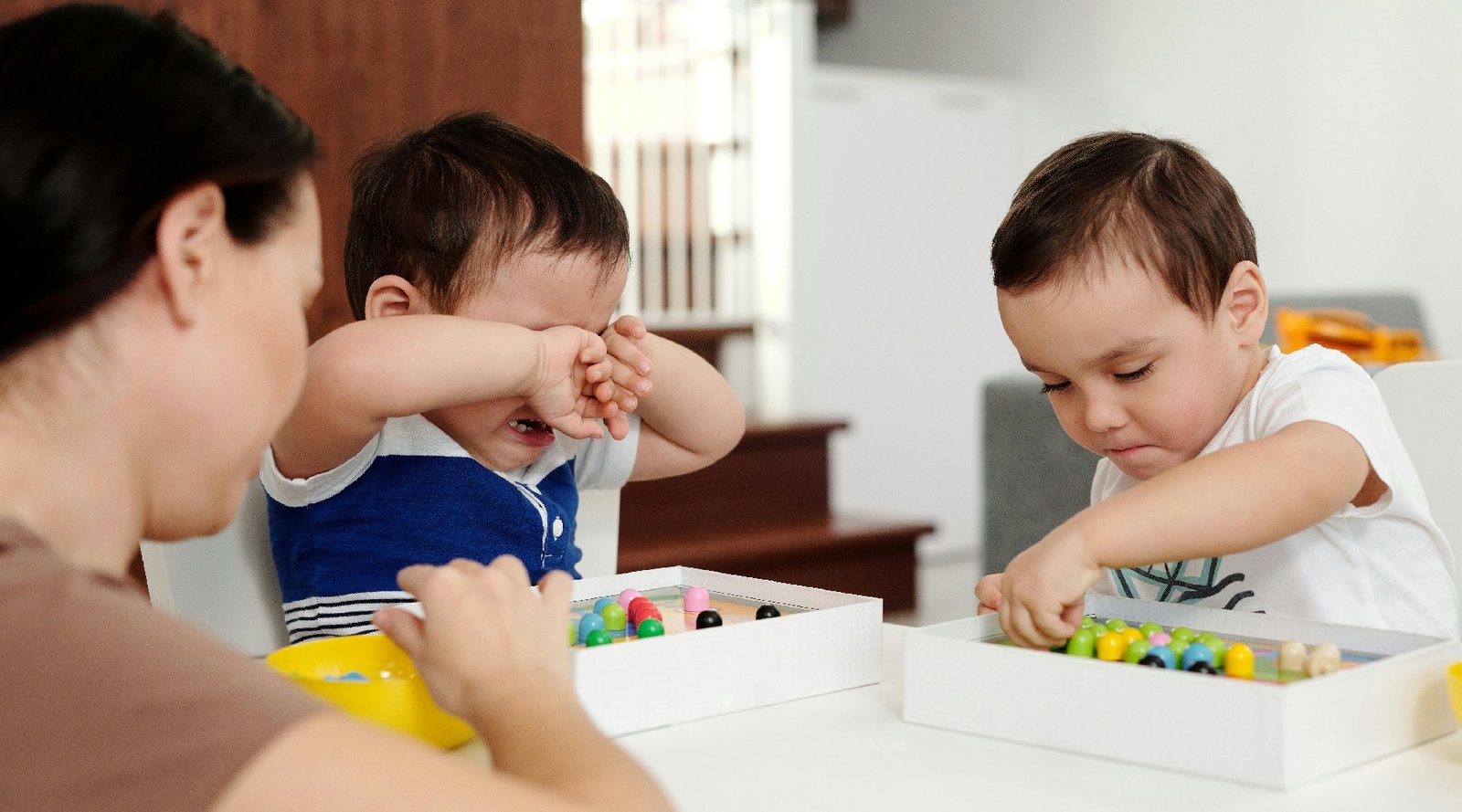
In today's fast-paced world, the economic welfare of individuals is becoming increasingly important, and this includes the well-being of children. One way to enhance children's economic welfare is through the use of educational games that not only entertain but also teach valuable lessons in financial literacy, critical thinking, and problem-solving skills. Educational games are an effective tool for teaching children about the key aspects of economics from a young age. By engaging in games that simulate real-world economic scenarios, children can develop a better understanding of concepts such as budgeting, saving, investing, and making informed financial decisions. One popular game that promotes economic education among children is "Monopoly." This classic board game allows players to buy, sell, and manage properties while learning about income, expenses, and the importance of strategic planning. Through gameplay, children can grasp the concept of financial transactions and the consequences of their decisions, fostering a sense of responsibility and resourcefulness. Another engaging game that enhances children's economic welfare is "Lemonade Stand," where players run their own virtual lemonade stand business. Through this game, children learn about pricing, marketing, sales, and profit margins, giving them a hands-on experience in managing a small business and understanding the basics of supply and demand. Moreover, online games and apps have also been developed to educate children about economics in a fun and interactive way. These digital platforms offer simulations of economic scenarios, allowing children to explore concepts such as scarcity, trade, and economic development in a virtual setting. By incorporating educational games into children's daily activities, parents and educators can contribute to their economic welfare by equipping them with essential skills for financial success. These games not only make learning enjoyable but also empower children to make informed decisions about money management, setting them on a path towards a secure financial future. In conclusion, educational games play a vital role in enhancing children's economic welfare by fostering financial literacy, critical thinking, and problem-solving skills from an early age. By exposing children to economic concepts through play, we can help them build a strong foundation for financial independence and economic well-being in the future.
Leave a Comment:
SEARCH
Recent News
- Zurich, Switzerland and Tunisia are two countries that are geographically distant but connected through various global issues and news events. Let's take a look at some of the recent news coming out of these two diverse locations.
- Zurich, Switzerland is a vibrant city known for its picturesque landscapes, rich history, and diverse cultural scene. One fascinating aspect of Zurich's cultural tapestry is the influence of Sudanese culture in the city.
- Zurich is a vibrant city located in Switzerland and is well-known for its picturesque landscapes, rich history, and bustling business scene. The Spanish community in Zurich has been thriving, with many top companies from Spain making their mark in the city. These companies have not only contributed to the economy of Zurich but have also added diversity and innovation to the local business environment.
- Zurich, Switzerland, is renowned for its picturesque landscapes, vibrant culture, and thriving economy. However, thousands of kilometers away in Russia, agriculture plays a crucial role in the country's economy and food production.
- Zurich, Switzerland is a vibrant city known for its stunning architecture, picturesque landscapes, and rich culture. One aspect of Zurich's cultural scene that often goes under the radar is its regional music. The city and its surrounding areas are home to a diverse range of musical styles, reflecting the multiculturalism and artistic diversity of the region.
- Top 5 Zurich Regional Movies You Must Watch
- Zurich, Switzerland: A Culinary Journey through Regional Cuisine
- Zurich, Switzerland is known for its rich culture and traditions, including traditional regional clothing that reflects the area's history and heritage. Swiss traditional clothing varies by region, with each area having its own unique style and designs. In Zurich, traditional Swiss clothing showcases a blend of functionality, craftsmanship, and aesthetics.
READ MORE
10 months ago Category :

Zurich, Switzerland and Tunisia are two countries that are geographically distant but connected through various global issues and news events. Let's take a look at some of the recent news coming out of these two diverse locations.
Read More →10 months ago Category :

Zurich, Switzerland is a vibrant city known for its picturesque landscapes, rich history, and diverse cultural scene. One fascinating aspect of Zurich's cultural tapestry is the influence of Sudanese culture in the city.
Read More →10 months ago Category :

Zurich is a vibrant city located in Switzerland and is well-known for its picturesque landscapes, rich history, and bustling business scene. The Spanish community in Zurich has been thriving, with many top companies from Spain making their mark in the city. These companies have not only contributed to the economy of Zurich but have also added diversity and innovation to the local business environment.
Read More →10 months ago Category :
