The Impact of Hyperinflation on Daily Children's Games
Category : | Sub Category : Posted on 2024-11-05 22:25:23
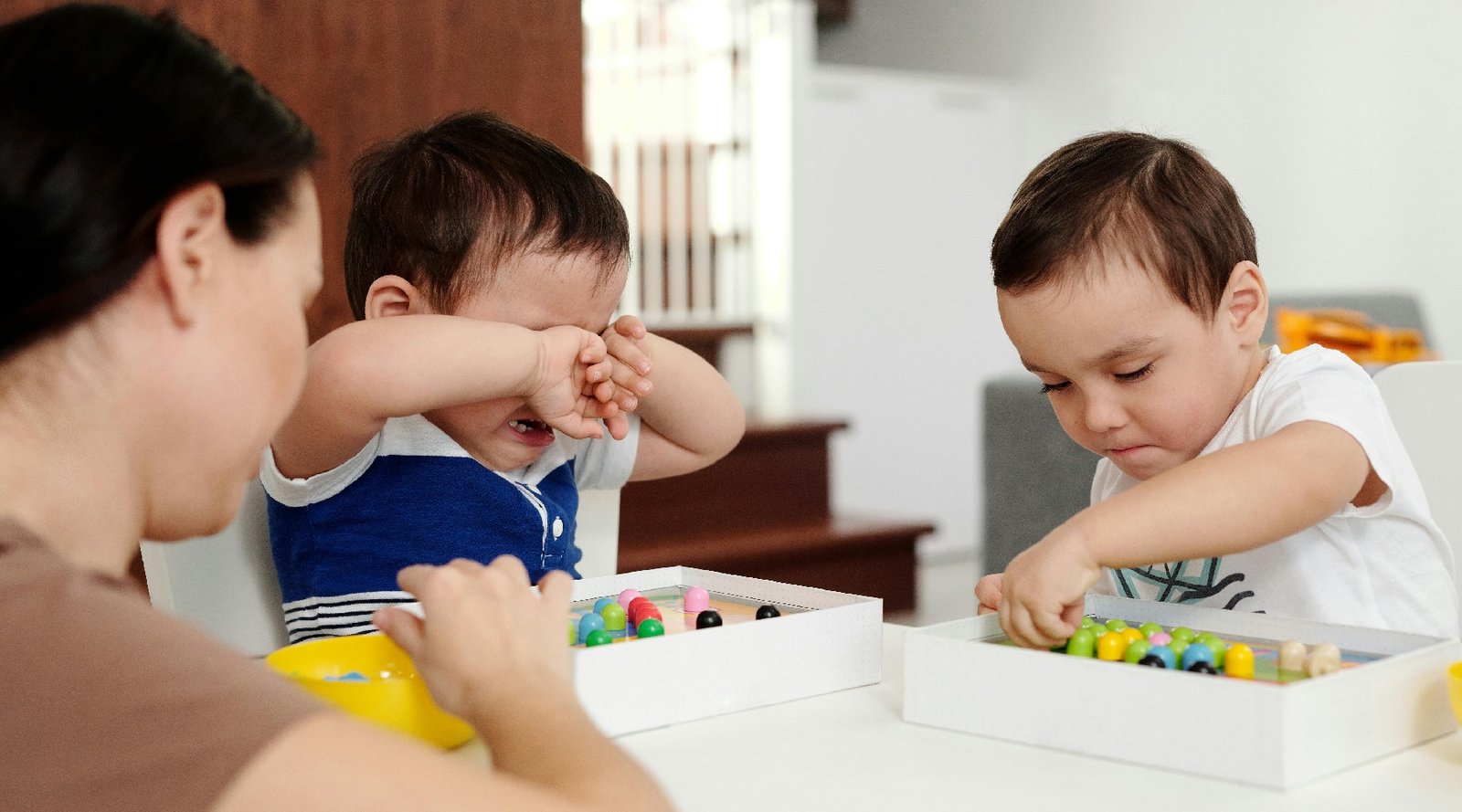
In recent times, hyperinflation has become a pressing issue in many parts of the world, significantly impacting people's daily lives in various ways. One area that is often overlooked is the effect of hyperinflation on children's games. The soaring prices of goods and services can have a significant impact on the way children play and interact with their environment. In this blog post, we will explore the influence of hyperinflation on the daily games and activities of children. Hyperinflation can directly affect the types of games children play due to the increased cost of toys and recreational activities. Families struggling to make ends meet may not have the financial resources to purchase expensive toys or games for their children. As a result, children may have to be more creative and resourceful in finding ways to entertain themselves with limited resources. Moreover, hyperinflation can also impact the availability of spaces for children to play. Public parks, playgrounds, and recreational facilities may suffer from neglect or lack of maintenance due to budget constraints caused by hyperinflation. As a result, children may have fewer safe and well-maintained spaces to engage in physical activities and socialize with their peers. Additionally, the economic stress caused by hyperinflation can have indirect effects on children's games and activities. Parents who are struggling to cope with rising prices and financial instability may have less time and energy to devote to playing with their children or facilitating their involvement in extracurricular activities. This can lead to children spending more time indoors or unsupervised, impacting their overall well-being and development. Despite these challenges, children are remarkably resilient and adaptable. In the face of hyperinflation, they may find new ways to create games using everyday objects, engage in imaginative play, and foster social connections with their peers. By encouraging children to tap into their creativity and resourcefulness, caregivers can help mitigate the negative impact of hyperinflation on their daily games and activities. In conclusion, hyperinflation can have a profound impact on children's games and daily activities. By recognizing the challenges posed by economic instability and supporting children in finding alternative ways to play and socialize, caregivers can help children navigate these uncertain times with creativity and resilience. It is essential to prioritize children's well-being and ensure they have access to safe and enriching opportunities for play, regardless of the economic challenges they may face.
Leave a Comment:
SEARCH
Recent News
- Zurich, Switzerland and Tunisia are two countries that are geographically distant but connected through various global issues and news events. Let's take a look at some of the recent news coming out of these two diverse locations.
- Zurich, Switzerland is a vibrant city known for its picturesque landscapes, rich history, and diverse cultural scene. One fascinating aspect of Zurich's cultural tapestry is the influence of Sudanese culture in the city.
- Zurich is a vibrant city located in Switzerland and is well-known for its picturesque landscapes, rich history, and bustling business scene. The Spanish community in Zurich has been thriving, with many top companies from Spain making their mark in the city. These companies have not only contributed to the economy of Zurich but have also added diversity and innovation to the local business environment.
- Zurich, Switzerland, is renowned for its picturesque landscapes, vibrant culture, and thriving economy. However, thousands of kilometers away in Russia, agriculture plays a crucial role in the country's economy and food production.
- Zurich, Switzerland is a vibrant city known for its stunning architecture, picturesque landscapes, and rich culture. One aspect of Zurich's cultural scene that often goes under the radar is its regional music. The city and its surrounding areas are home to a diverse range of musical styles, reflecting the multiculturalism and artistic diversity of the region.
- Top 5 Zurich Regional Movies You Must Watch
- Zurich, Switzerland: A Culinary Journey through Regional Cuisine
- Zurich, Switzerland is known for its rich culture and traditions, including traditional regional clothing that reflects the area's history and heritage. Swiss traditional clothing varies by region, with each area having its own unique style and designs. In Zurich, traditional Swiss clothing showcases a blend of functionality, craftsmanship, and aesthetics.
READ MORE
10 months ago Category :

Zurich, Switzerland and Tunisia are two countries that are geographically distant but connected through various global issues and news events. Let's take a look at some of the recent news coming out of these two diverse locations.
Read More →10 months ago Category :

Zurich, Switzerland is a vibrant city known for its picturesque landscapes, rich history, and diverse cultural scene. One fascinating aspect of Zurich's cultural tapestry is the influence of Sudanese culture in the city.
Read More →10 months ago Category :

Zurich is a vibrant city located in Switzerland and is well-known for its picturesque landscapes, rich history, and bustling business scene. The Spanish community in Zurich has been thriving, with many top companies from Spain making their mark in the city. These companies have not only contributed to the economy of Zurich but have also added diversity and innovation to the local business environment.
Read More →10 months ago Category :
