Understanding the Supply Chain of Children's Games on a Daily Basis
Category : | Sub Category : Posted on 2024-11-05 22:25:23
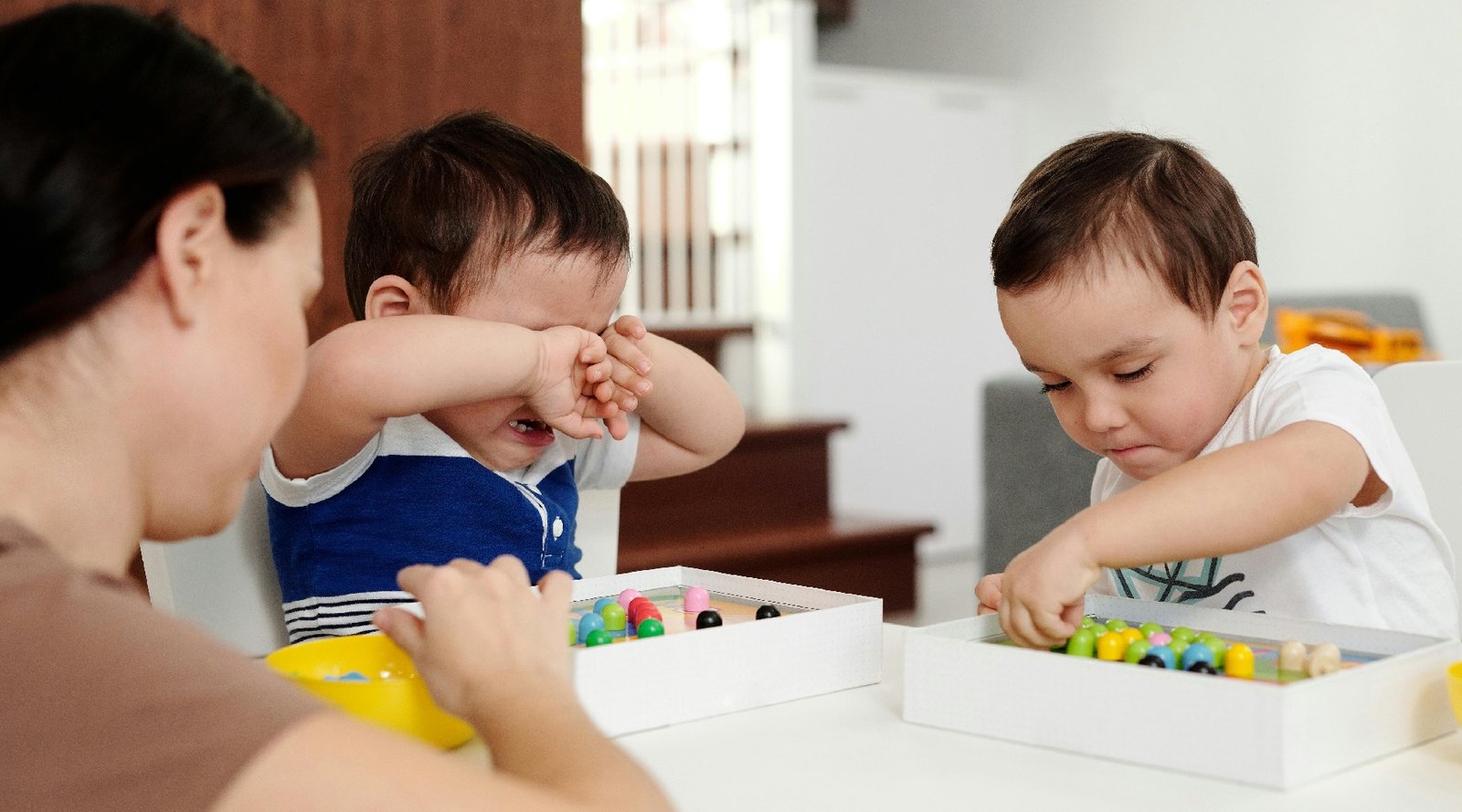
Introduction: children's games play a significant role in the development and entertainment of young minds. From classic board games to digital apps, the supply chain of children's games is a complex system that ensures fun and educational products reach the hands of eager young players on a daily basis. The Production Phase: The supply chain of children's games begins with the production phase, where game developers and designers brainstorm creative concepts and bring them to life. This phase involves ideation, prototyping, testing, and finalizing the game's design and mechanics. Once the game is ready for production, manufacturers then step in to mass-produce physical games or digital copies for distribution. The Distribution Network: After production, the next phase in the supply chain is distribution. Children's games need to be made available in various retail outlets, online marketplaces, and app stores to reach a wide audience of young players. Manufacturers work closely with distributors and logistics partners to ensure seamless transportation and delivery of games to different locations. Retail and Online Sales: Retailers play a crucial role in the supply chain of children's games by stocking and promoting these products in brick-and-mortar stores and online platforms. Parents or caregivers can browse a wide selection of games, read reviews, and make purchases either in-store or online to bring home the latest and greatest games for their children. Marketing and Promotion: Marketing and promotion are key elements in the supply chain of children's games. Game developers and publishers create engaging marketing campaigns to generate buzz and excitement around new releases. This can include social media promotions, collaborations with influencers, and advertising campaigns targeted at parents and children alike. Feedback and Iteration: The supply chain of children's games also involves gathering feedback from young players, parents, and educators to continually improve game offerings. Developers listen to customer reviews, conduct surveys, and analyze gameplay data to make informed decisions about future game updates, expansions, or entirely new titles. Conclusion: In conclusion, the supply chain of children's games is a fascinating process that brings together creativity, production, distribution, marketing, and customer feedback to deliver fun and educational experiences to young players on a daily basis. By understanding the various stages of the supply chain, we can appreciate the intricate work that goes into creating and providing children's games that spark joy and learning in the hearts and minds of children everywhere.
Leave a Comment:
SEARCH
Recent News
- Zurich, Switzerland and Tunisia are two countries that are geographically distant but connected through various global issues and news events. Let's take a look at some of the recent news coming out of these two diverse locations.
- Zurich, Switzerland is a vibrant city known for its picturesque landscapes, rich history, and diverse cultural scene. One fascinating aspect of Zurich's cultural tapestry is the influence of Sudanese culture in the city.
- Zurich is a vibrant city located in Switzerland and is well-known for its picturesque landscapes, rich history, and bustling business scene. The Spanish community in Zurich has been thriving, with many top companies from Spain making their mark in the city. These companies have not only contributed to the economy of Zurich but have also added diversity and innovation to the local business environment.
- Zurich, Switzerland, is renowned for its picturesque landscapes, vibrant culture, and thriving economy. However, thousands of kilometers away in Russia, agriculture plays a crucial role in the country's economy and food production.
- Zurich, Switzerland is a vibrant city known for its stunning architecture, picturesque landscapes, and rich culture. One aspect of Zurich's cultural scene that often goes under the radar is its regional music. The city and its surrounding areas are home to a diverse range of musical styles, reflecting the multiculturalism and artistic diversity of the region.
- Top 5 Zurich Regional Movies You Must Watch
- Zurich, Switzerland: A Culinary Journey through Regional Cuisine
- Zurich, Switzerland is known for its rich culture and traditions, including traditional regional clothing that reflects the area's history and heritage. Swiss traditional clothing varies by region, with each area having its own unique style and designs. In Zurich, traditional Swiss clothing showcases a blend of functionality, craftsmanship, and aesthetics.
READ MORE
10 months ago Category :

Zurich, Switzerland and Tunisia are two countries that are geographically distant but connected through various global issues and news events. Let's take a look at some of the recent news coming out of these two diverse locations.
Read More →10 months ago Category :

Zurich, Switzerland is a vibrant city known for its picturesque landscapes, rich history, and diverse cultural scene. One fascinating aspect of Zurich's cultural tapestry is the influence of Sudanese culture in the city.
Read More →10 months ago Category :

Zurich is a vibrant city located in Switzerland and is well-known for its picturesque landscapes, rich history, and bustling business scene. The Spanish community in Zurich has been thriving, with many top companies from Spain making their mark in the city. These companies have not only contributed to the economy of Zurich but have also added diversity and innovation to the local business environment.
Read More →10 months ago Category :
