The Importance of Teaching Children to Differentiate Truth from Fiction in Daily News
Category : | Sub Category : Posted on 2024-11-05 22:25:23
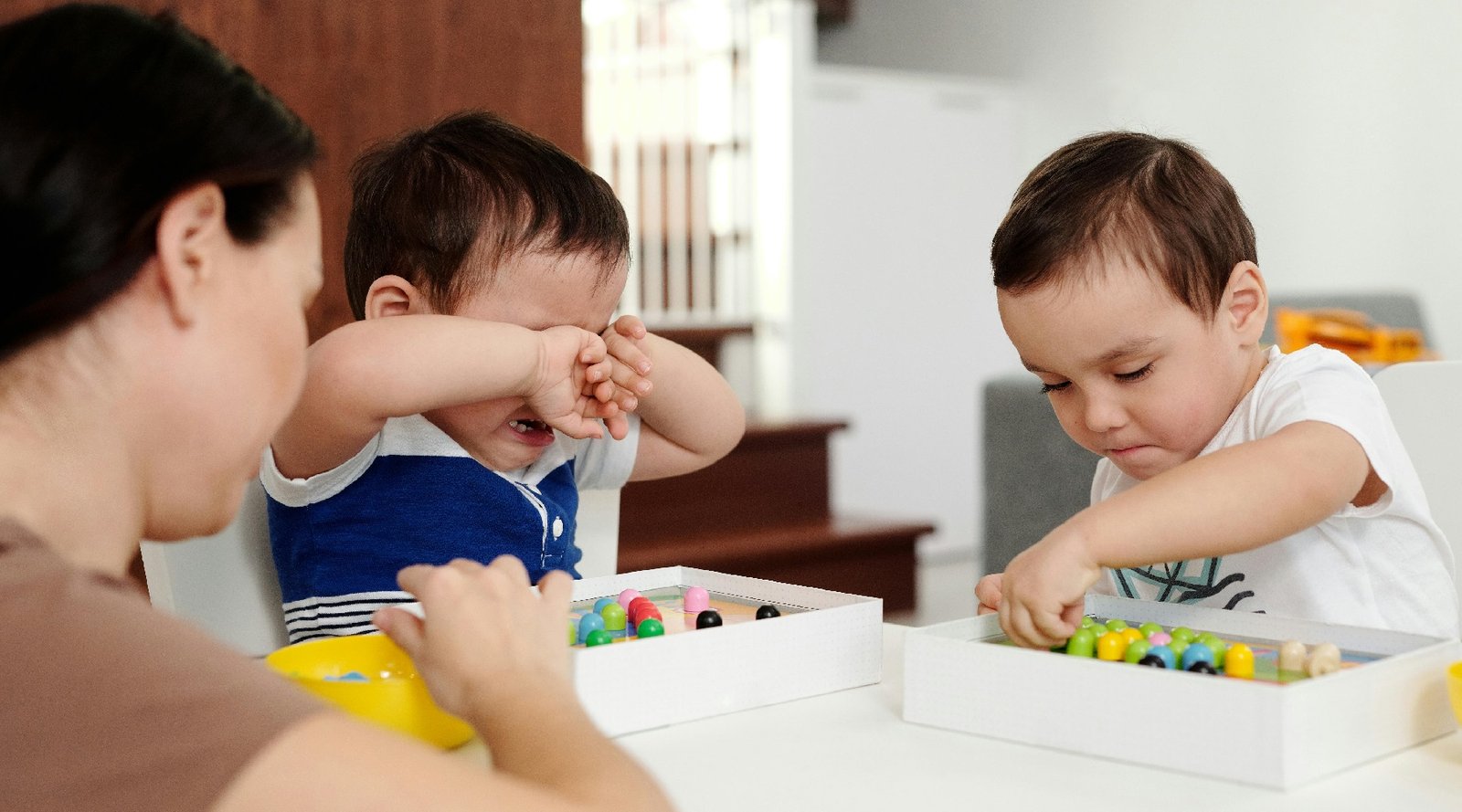
In today's digital age where information is readily available at our fingertips, it is more crucial than ever to educate children about the importance of discerning the truth in the news they consume on a daily basis. With the rise of fake news and misinformation circulating online, teaching children to critically evaluate the credibility and reliability of the information they come across is an essential life skill. One effective way to impart this skill to children is through engaging educational games. Children naturally love games, and incorporating elements of fun and play can make learning about media literacy a more enjoyable and interactive experience for them. By introducing children to games that challenge them to identify fake news stories, understand bias in reporting, and verify information through fact-checking, they can develop the tools needed to navigate the complexities of the news landscape. One such game is "Truth or Fake," where children are presented with news headlines and are tasked with determining whether they are true or false. Through gameplay, children learn to look for reliable sources, cross-check information, and critically analyze the content they encounter. By making learning about media literacy a fun and engaging activity, children are more likely to retain the knowledge and skills needed to distinguish truth from fiction in the news. In addition to games, parents and educators play a crucial role in guiding children through the process of understanding news content. By discussing current events with children, encouraging them to ask questions, and providing context to news stories, adults can help children develop a critical mindset towards the information they consume. Teaching children to be media literate not only equips them with the tools to make informed decisions but also empowers them to be responsible consumers of news. By instilling in children the importance of verifying information and seeking out multiple perspectives, we can help them become more discerning individuals in an increasingly complex and interconnected world. In conclusion, the ability to differentiate truth from fiction in daily news is a vital skill that children need to develop from a young age. By incorporating educational games and interactive learning experiences, we can make the process of media literacy engaging and accessible to children. Empowering children with the tools to navigate the news landscape will not only benefit them in their academic pursuits but also in becoming informed and responsible citizens of the future.
Leave a Comment:
SEARCH
Recent News
- Zurich, Switzerland and Tunisia are two countries that are geographically distant but connected through various global issues and news events. Let's take a look at some of the recent news coming out of these two diverse locations.
- Zurich, Switzerland is a vibrant city known for its picturesque landscapes, rich history, and diverse cultural scene. One fascinating aspect of Zurich's cultural tapestry is the influence of Sudanese culture in the city.
- Zurich is a vibrant city located in Switzerland and is well-known for its picturesque landscapes, rich history, and bustling business scene. The Spanish community in Zurich has been thriving, with many top companies from Spain making their mark in the city. These companies have not only contributed to the economy of Zurich but have also added diversity and innovation to the local business environment.
- Zurich, Switzerland, is renowned for its picturesque landscapes, vibrant culture, and thriving economy. However, thousands of kilometers away in Russia, agriculture plays a crucial role in the country's economy and food production.
- Zurich, Switzerland is a vibrant city known for its stunning architecture, picturesque landscapes, and rich culture. One aspect of Zurich's cultural scene that often goes under the radar is its regional music. The city and its surrounding areas are home to a diverse range of musical styles, reflecting the multiculturalism and artistic diversity of the region.
- Top 5 Zurich Regional Movies You Must Watch
- Zurich, Switzerland: A Culinary Journey through Regional Cuisine
- Zurich, Switzerland is known for its rich culture and traditions, including traditional regional clothing that reflects the area's history and heritage. Swiss traditional clothing varies by region, with each area having its own unique style and designs. In Zurich, traditional Swiss clothing showcases a blend of functionality, craftsmanship, and aesthetics.
READ MORE
10 months ago Category :

Zurich, Switzerland and Tunisia are two countries that are geographically distant but connected through various global issues and news events. Let's take a look at some of the recent news coming out of these two diverse locations.
Read More →10 months ago Category :

Zurich, Switzerland is a vibrant city known for its picturesque landscapes, rich history, and diverse cultural scene. One fascinating aspect of Zurich's cultural tapestry is the influence of Sudanese culture in the city.
Read More →10 months ago Category :

Zurich is a vibrant city located in Switzerland and is well-known for its picturesque landscapes, rich history, and bustling business scene. The Spanish community in Zurich has been thriving, with many top companies from Spain making their mark in the city. These companies have not only contributed to the economy of Zurich but have also added diversity and innovation to the local business environment.
Read More →10 months ago Category :
