Exploring the Daily Games of Children in China
Category : | Sub Category : Posted on 2024-11-05 22:25:23
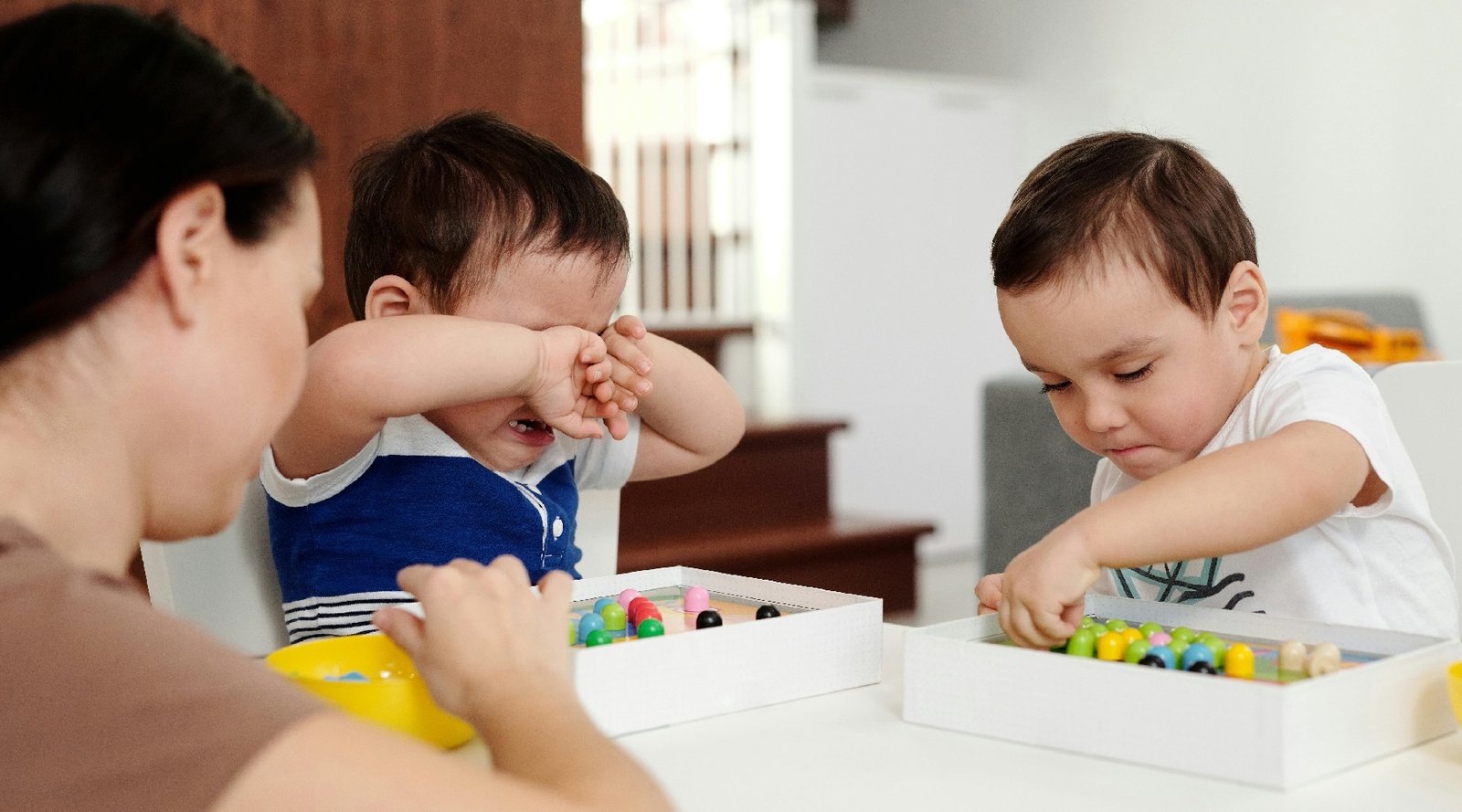
In China, children enjoy a variety of games and activities as part of their daily routine. These games not only provide entertainment but also play a crucial role in shaping their social interactions, physical development, and cognitive skills. Let's take a closer look at some of the popular games that Chinese children engage in on a daily basis: 1. Jump Rope (Tiaosheng) Jump rope, or "Tiaosheng" in Chinese, is a beloved game among children in China. It is a simple yet effective way to improve coordination, stamina, and cardiovascular health. Children can be seen jumping rope alone or in groups, showcasing their agility and endurance. 2. Shuttlecock Kicking (Jianzi) Jianzi is a traditional Chinese game that involves kicking a shuttlecock with your feet and keeping it in the air for as long as possible. It requires a great deal of concentration, balance, and foot-eye coordination. Children often compete with each other to see who can keep the shuttlecock in the air the longest. 3. Chinese Yo-Yo (Diabolo) The Chinese yo-yo, or Diabolo, is a popular toy that requires skill and dexterity to master. Children manipulate the spinning device using a string attached to two sticks, performing various tricks and stunts. It promotes hand-eye coordination, concentration, and creativity. 4. Double Dutch (Shuangtiaowu) Double Dutch is a fun and challenging jump rope game that involves two ropes turning in opposite directions while one or more players jump in and out of the ropes. It is a favorite among Chinese children, who enjoy the fast-paced nature of the game and the teamwork involved in coordinating their jumps. 5. Catching Butterflies (Yudiannao) In this traditional Chinese game, children use a small net to catch paper butterflies that are released into the air. It is a whimsical and engaging activity that encourages children to move around, practice hand-eye coordination, and enjoy the beauty of nature. These are just a few examples of the daily games that children in China love to play. Through these activities, they not only have fun and stay active but also develop important physical and cognitive skills that will benefit them throughout their lives. The rich tradition of play in China reflects the country's vibrant culture and the value placed on the well-being and happiness of its youngest citizens.
https://toguangzhou.com
https://2gz.org
https://china-directory.com
Leave a Comment:
SEARCH
Recent News
- Zurich, Switzerland and Tunisia are two countries that are geographically distant but connected through various global issues and news events. Let's take a look at some of the recent news coming out of these two diverse locations.
- Zurich, Switzerland is a vibrant city known for its picturesque landscapes, rich history, and diverse cultural scene. One fascinating aspect of Zurich's cultural tapestry is the influence of Sudanese culture in the city.
- Zurich is a vibrant city located in Switzerland and is well-known for its picturesque landscapes, rich history, and bustling business scene. The Spanish community in Zurich has been thriving, with many top companies from Spain making their mark in the city. These companies have not only contributed to the economy of Zurich but have also added diversity and innovation to the local business environment.
- Zurich, Switzerland, is renowned for its picturesque landscapes, vibrant culture, and thriving economy. However, thousands of kilometers away in Russia, agriculture plays a crucial role in the country's economy and food production.
- Zurich, Switzerland is a vibrant city known for its stunning architecture, picturesque landscapes, and rich culture. One aspect of Zurich's cultural scene that often goes under the radar is its regional music. The city and its surrounding areas are home to a diverse range of musical styles, reflecting the multiculturalism and artistic diversity of the region.
- Top 5 Zurich Regional Movies You Must Watch
- Zurich, Switzerland: A Culinary Journey through Regional Cuisine
- Zurich, Switzerland is known for its rich culture and traditions, including traditional regional clothing that reflects the area's history and heritage. Swiss traditional clothing varies by region, with each area having its own unique style and designs. In Zurich, traditional Swiss clothing showcases a blend of functionality, craftsmanship, and aesthetics.
READ MORE
10 months ago Category :

Zurich, Switzerland and Tunisia are two countries that are geographically distant but connected through various global issues and news events. Let's take a look at some of the recent news coming out of these two diverse locations.
Read More →10 months ago Category :

Zurich, Switzerland is a vibrant city known for its picturesque landscapes, rich history, and diverse cultural scene. One fascinating aspect of Zurich's cultural tapestry is the influence of Sudanese culture in the city.
Read More →10 months ago Category :

Zurich is a vibrant city located in Switzerland and is well-known for its picturesque landscapes, rich history, and bustling business scene. The Spanish community in Zurich has been thriving, with many top companies from Spain making their mark in the city. These companies have not only contributed to the economy of Zurich but have also added diversity and innovation to the local business environment.
Read More →10 months ago Category :
