Enhancing Communication with Your Pets using Daily Tools
Category : | Sub Category : Posted on 2024-11-05 22:25:23
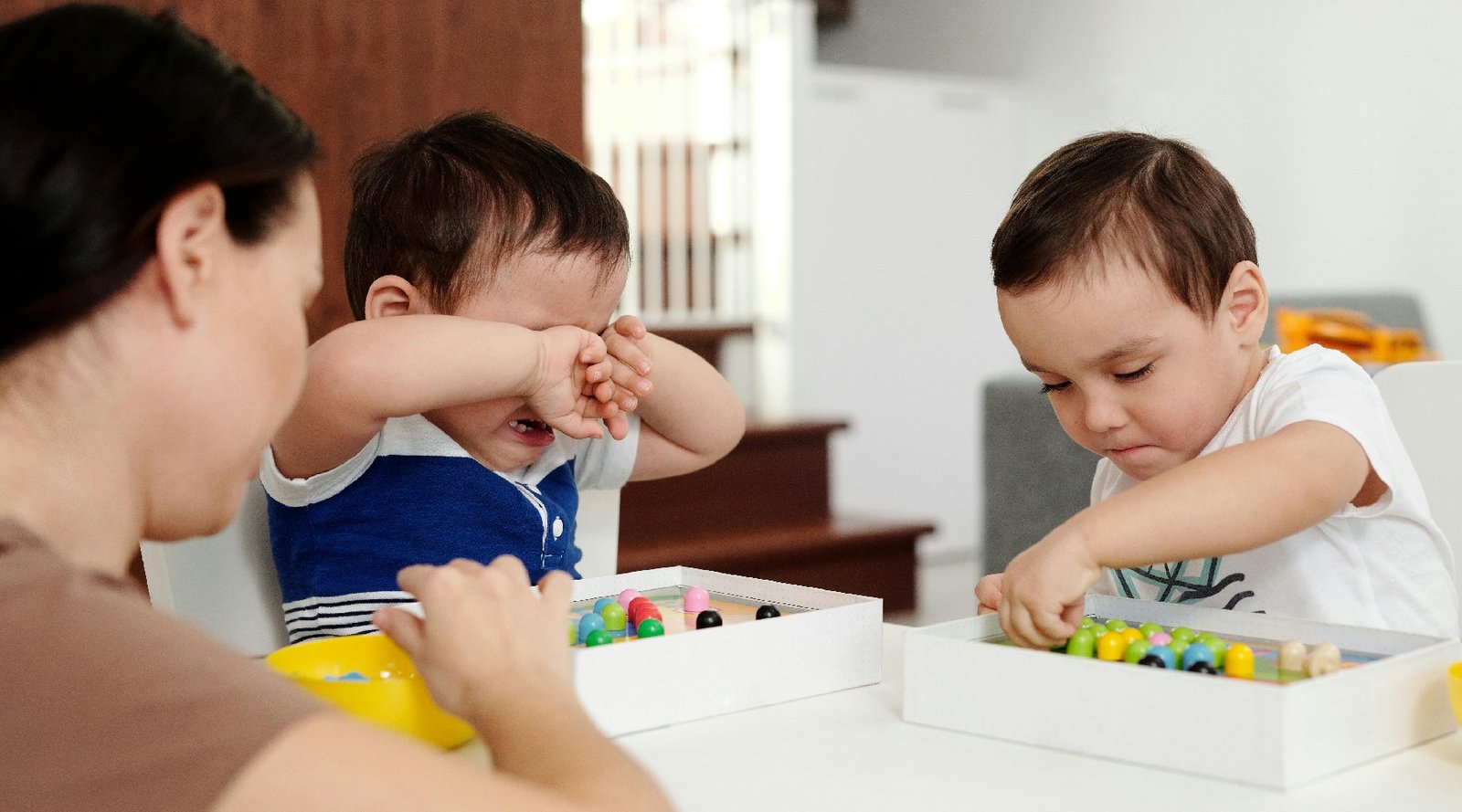
communication is key in any relationship, including the one you have with your beloved pets. While pets may not speak our language, there are various tools and techniques you can use to effectively communicate with them on a daily basis. By understanding their body language and using the right tools, you can strengthen the bond between you and your furry companions. One of the most basic tools for communication with pets is touch. Pets, especially dogs and cats, respond well to physical contact such as petting, scratching, and cuddling. This physical interaction can convey love, comfort, and reassurance to your pets, helping them feel more secure and connected to you. Take the time to pet your pets daily, paying attention to their reactions and preferences for different types of touch. Another important communication tool is vocal cues. Pets can learn to associate certain sounds and tones with different meanings, such as commands, praise, or warnings. By using a consistent tone of voice and specific words or phrases, you can effectively communicate with your pets and convey your expectations. Practice using positive reinforcement techniques, such as praising good behavior and using treats as rewards, to encourage desired behaviors in your pets. In addition to touch and vocal cues, visual cues play a significant role in communication with pets. Pay attention to your pet's body language, facial expressions, and tail movements to understand their feelings and intentions. For example, a wagging tail may indicate excitement or happiness, while a tucked tail may signal fear or discomfort. By observing and responding to your pet's visual cues, you can better understand their needs and emotions. Technology can also be a helpful tool for enhancing communication with pets. There are various devices and apps available that allow pet owners to remotely monitor their pets, communicate with them through video calls, and even dispense treats or toys while away from home. These tools can help pet owners stay connected with their pets and provide them with stimulation and companionship, even when they are not physically present. In conclusion, effective communication with your pets requires a combination of tools, including touch, vocal cues, visual cues, and technology. By using these tools on a daily basis, you can strengthen the bond with your pets, understand their needs and emotions, and create a harmonious and fulfilling relationship. Remember to be patient, observant, and loving in your communication with your furry friends, and enjoy the special connection you share with them.
Leave a Comment:
SEARCH
Recent News
- Zurich, Switzerland and Tunisia are two countries that are geographically distant but connected through various global issues and news events. Let's take a look at some of the recent news coming out of these two diverse locations.
- Zurich, Switzerland is a vibrant city known for its picturesque landscapes, rich history, and diverse cultural scene. One fascinating aspect of Zurich's cultural tapestry is the influence of Sudanese culture in the city.
- Zurich is a vibrant city located in Switzerland and is well-known for its picturesque landscapes, rich history, and bustling business scene. The Spanish community in Zurich has been thriving, with many top companies from Spain making their mark in the city. These companies have not only contributed to the economy of Zurich but have also added diversity and innovation to the local business environment.
- Zurich, Switzerland, is renowned for its picturesque landscapes, vibrant culture, and thriving economy. However, thousands of kilometers away in Russia, agriculture plays a crucial role in the country's economy and food production.
- Zurich, Switzerland is a vibrant city known for its stunning architecture, picturesque landscapes, and rich culture. One aspect of Zurich's cultural scene that often goes under the radar is its regional music. The city and its surrounding areas are home to a diverse range of musical styles, reflecting the multiculturalism and artistic diversity of the region.
- Top 5 Zurich Regional Movies You Must Watch
- Zurich, Switzerland: A Culinary Journey through Regional Cuisine
- Zurich, Switzerland is known for its rich culture and traditions, including traditional regional clothing that reflects the area's history and heritage. Swiss traditional clothing varies by region, with each area having its own unique style and designs. In Zurich, traditional Swiss clothing showcases a blend of functionality, craftsmanship, and aesthetics.
READ MORE
10 months ago Category :

Zurich, Switzerland and Tunisia are two countries that are geographically distant but connected through various global issues and news events. Let's take a look at some of the recent news coming out of these two diverse locations.
Read More →10 months ago Category :

Zurich, Switzerland is a vibrant city known for its picturesque landscapes, rich history, and diverse cultural scene. One fascinating aspect of Zurich's cultural tapestry is the influence of Sudanese culture in the city.
Read More →10 months ago Category :

Zurich is a vibrant city located in Switzerland and is well-known for its picturesque landscapes, rich history, and bustling business scene. The Spanish community in Zurich has been thriving, with many top companies from Spain making their mark in the city. These companies have not only contributed to the economy of Zurich but have also added diversity and innovation to the local business environment.
Read More →10 months ago Category :
