"Balancing Competitive Games and Parenting: Daily Tips and Advice"
Category : | Sub Category : Posted on 2024-11-05 22:25:23
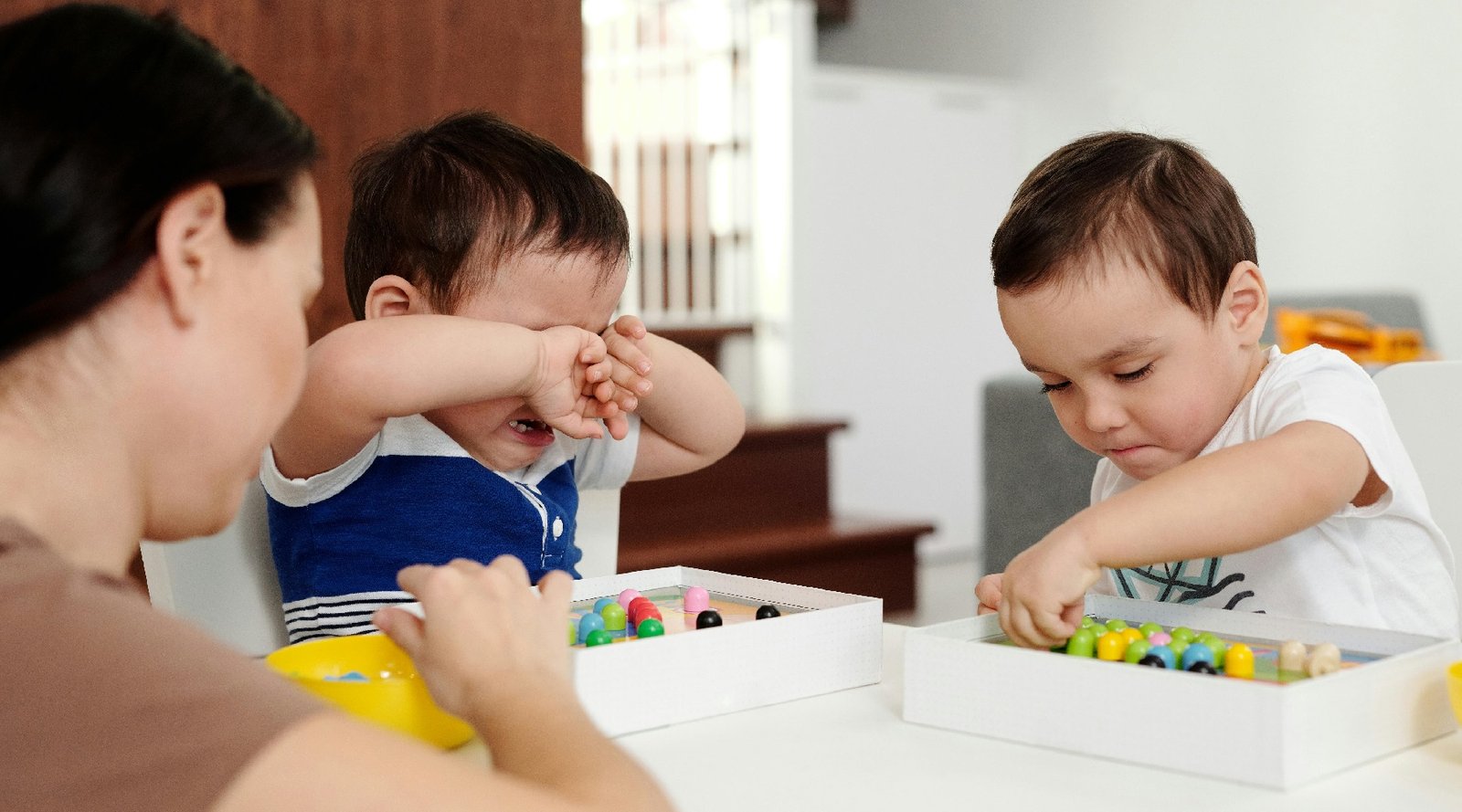
In today's digital age, it is common for children to engage in competitive games, whether it be online multiplayer battles or local tournaments. As a parent, it can be challenging to strike a balance between allowing your child to enjoy these games and ensuring they are still receiving proper care, guidance, and attention. In this blog post, we will provide you with some daily parenting tips and advice on how to navigate this delicate balance successfully. 1. Set Limits and Boundaries: It is essential to establish clear boundaries around gaming time. Create a schedule that dictates when your child can play competitive games, ensuring they still have time for homework, chores, outdoor activities, and family interactions. Setting limits can help prevent gaming addiction and ensure your child maintains a healthy balance in their life. 2. Monitor and Supervise: While it's important to give your child some independence, monitoring their gaming habits is crucial. Keep an eye on the games they are playing, the amount of time spent gaming, and their interactions with other players online. Supervising their gaming activities can help you identify any concerning behavior or issues that may arise. 3. Encourage Sportsmanship and Good Behavior: Competitive games can sometimes bring out the worst in players, with toxic behavior and poor sportsmanship becoming prevalent. Teach your child the importance of being a gracious winner and a respectful loser. Emphasize the value of teamwork, fair play, and positive communication while gaming. Encourage them to treat other players with kindness and respect, both in victory and defeat. 4. Foster Real-Life Skills: While competitive games can improve cognitive abilities and strategic thinking, it's essential to balance this with real-life skills. Encourage your child to participate in physical activities, hobbies, and social interactions that promote creativity, critical thinking, and communication. Engaging in a variety of activities outside of gaming can help your child develop a well-rounded skill set and interests. 5. Stay Informed and Engaged: Take an interest in the games your child is playing. Familiarize yourself with the content, gameplay mechanics, and online features of popular competitive games. This will allow you to have meaningful conversations with your child about their gaming experiences and better understand their perspective. Staying informed and engaged will also help you identify any potential risks or concerns related to specific games. In conclusion, as a parent, it is possible to support your child's interest in competitive games while also providing them with the guidance and structure they need to thrive. By setting limits, monitoring their gaming activities, promoting good behavior, fostering real-life skills, and staying informed, you can create a healthy balance that allows your child to enjoy gaming responsibly. Remember, communication is key, so always keep the lines of dialogue open with your child regarding their gaming experiences.
Leave a Comment:
SEARCH
Recent News
- Zurich, Switzerland and Tunisia are two countries that are geographically distant but connected through various global issues and news events. Let's take a look at some of the recent news coming out of these two diverse locations.
- Zurich, Switzerland is a vibrant city known for its picturesque landscapes, rich history, and diverse cultural scene. One fascinating aspect of Zurich's cultural tapestry is the influence of Sudanese culture in the city.
- Zurich is a vibrant city located in Switzerland and is well-known for its picturesque landscapes, rich history, and bustling business scene. The Spanish community in Zurich has been thriving, with many top companies from Spain making their mark in the city. These companies have not only contributed to the economy of Zurich but have also added diversity and innovation to the local business environment.
- Zurich, Switzerland, is renowned for its picturesque landscapes, vibrant culture, and thriving economy. However, thousands of kilometers away in Russia, agriculture plays a crucial role in the country's economy and food production.
- Zurich, Switzerland is a vibrant city known for its stunning architecture, picturesque landscapes, and rich culture. One aspect of Zurich's cultural scene that often goes under the radar is its regional music. The city and its surrounding areas are home to a diverse range of musical styles, reflecting the multiculturalism and artistic diversity of the region.
- Top 5 Zurich Regional Movies You Must Watch
- Zurich, Switzerland: A Culinary Journey through Regional Cuisine
- Zurich, Switzerland is known for its rich culture and traditions, including traditional regional clothing that reflects the area's history and heritage. Swiss traditional clothing varies by region, with each area having its own unique style and designs. In Zurich, traditional Swiss clothing showcases a blend of functionality, craftsmanship, and aesthetics.
READ MORE
10 months ago Category :

Zurich, Switzerland and Tunisia are two countries that are geographically distant but connected through various global issues and news events. Let's take a look at some of the recent news coming out of these two diverse locations.
Read More →10 months ago Category :

Zurich, Switzerland is a vibrant city known for its picturesque landscapes, rich history, and diverse cultural scene. One fascinating aspect of Zurich's cultural tapestry is the influence of Sudanese culture in the city.
Read More →10 months ago Category :

Zurich is a vibrant city located in Switzerland and is well-known for its picturesque landscapes, rich history, and bustling business scene. The Spanish community in Zurich has been thriving, with many top companies from Spain making their mark in the city. These companies have not only contributed to the economy of Zurich but have also added diversity and innovation to the local business environment.
Read More →10 months ago Category :
