Striving for Equality and Equity in Competitive Games
Category : | Sub Category : Posted on 2024-11-05 22:25:23
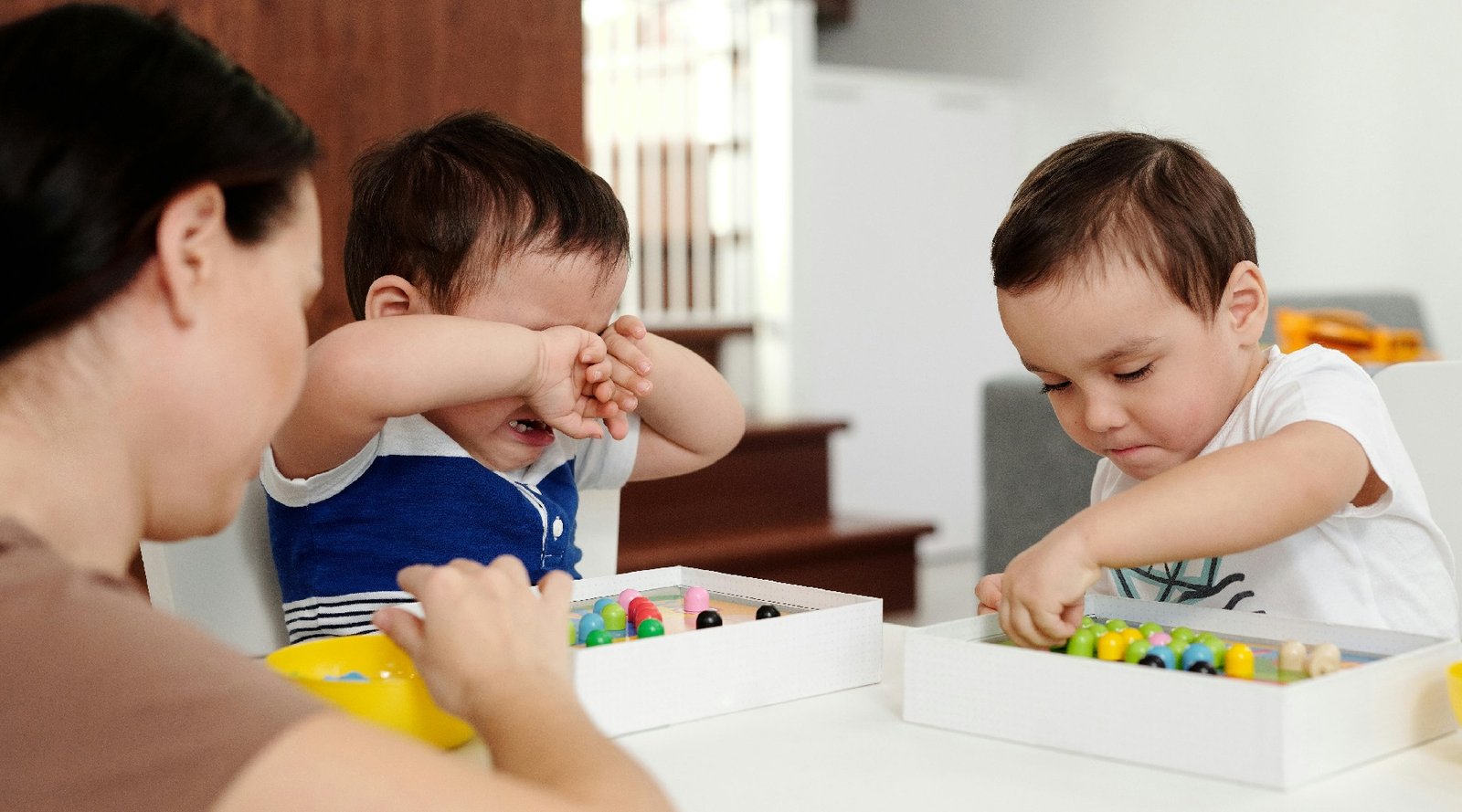
Competitive games have always been a popular pastime, attracting participants and spectators from all walks of life. However, the concepts of equality and equity within the realm of competitive gaming have come under scrutiny in recent years. It is crucial to understand and address the differences between these two principles to ensure a fair and inclusive environment for all gamers. Equality in competitive games is often thought of as providing the same opportunities and resources to all players. This can mean ensuring that everyone starts on a level playing field, with access to the same game mechanics, maps, characters, and equipment. In an equal gaming environment, no player is inherently disadvantaged based on factors beyond their control. On the other hand, equity in competitive games focuses on acknowledging and addressing the unique needs and challenges faced by different players. This involves actively working to level the playing field by providing additional support or resources to those who may require it. In essence, equity in gaming aims to promote fairness by recognizing and accommodating individual differences. Achieving equality and equity in competitive games requires a multi-faceted approach. Game developers play a crucial role in designing games that are inherently fair and inclusive, with diverse characters and gameplay options that cater to a wide range of players. Additionally, tournament organizers must implement rules and regulations that promote equal opportunities for all participants, while also offering support to those who need it. Players themselves can also contribute to creating a more equitable gaming environment by advocating for inclusivity and speaking out against discrimination or bias. Building a supportive and welcoming community where all gamers feel valued and respected is essential for the long-term success of competitive games. In conclusion, striving for equality and equity in competitive games is an ongoing process that requires collaboration and a commitment to fairness. By promoting inclusivity, addressing individual needs, and advocating for a level playing field, we can create a gaming culture that celebrates diversity and empowers all players to excel. Let's work together to make competitive games a place where everyone has the opportunity to shine. For more information about this: https://www.corriente.org
Leave a Comment:
SEARCH
Recent News
- Zurich, Switzerland and Tunisia are two countries that are geographically distant but connected through various global issues and news events. Let's take a look at some of the recent news coming out of these two diverse locations.
- Zurich, Switzerland is a vibrant city known for its picturesque landscapes, rich history, and diverse cultural scene. One fascinating aspect of Zurich's cultural tapestry is the influence of Sudanese culture in the city.
- Zurich is a vibrant city located in Switzerland and is well-known for its picturesque landscapes, rich history, and bustling business scene. The Spanish community in Zurich has been thriving, with many top companies from Spain making their mark in the city. These companies have not only contributed to the economy of Zurich but have also added diversity and innovation to the local business environment.
- Zurich, Switzerland, is renowned for its picturesque landscapes, vibrant culture, and thriving economy. However, thousands of kilometers away in Russia, agriculture plays a crucial role in the country's economy and food production.
- Zurich, Switzerland is a vibrant city known for its stunning architecture, picturesque landscapes, and rich culture. One aspect of Zurich's cultural scene that often goes under the radar is its regional music. The city and its surrounding areas are home to a diverse range of musical styles, reflecting the multiculturalism and artistic diversity of the region.
- Top 5 Zurich Regional Movies You Must Watch
- Zurich, Switzerland: A Culinary Journey through Regional Cuisine
- Zurich, Switzerland is known for its rich culture and traditions, including traditional regional clothing that reflects the area's history and heritage. Swiss traditional clothing varies by region, with each area having its own unique style and designs. In Zurich, traditional Swiss clothing showcases a blend of functionality, craftsmanship, and aesthetics.
READ MORE
10 months ago Category :

Zurich, Switzerland and Tunisia are two countries that are geographically distant but connected through various global issues and news events. Let's take a look at some of the recent news coming out of these two diverse locations.
Read More →10 months ago Category :

Zurich, Switzerland is a vibrant city known for its picturesque landscapes, rich history, and diverse cultural scene. One fascinating aspect of Zurich's cultural tapestry is the influence of Sudanese culture in the city.
Read More →10 months ago Category :

Zurich is a vibrant city located in Switzerland and is well-known for its picturesque landscapes, rich history, and bustling business scene. The Spanish community in Zurich has been thriving, with many top companies from Spain making their mark in the city. These companies have not only contributed to the economy of Zurich but have also added diversity and innovation to the local business environment.
Read More →10 months ago Category :
