Exploring the Rich Diversity of Children's Games in Different Cultures
Category : | Sub Category : Posted on 2024-11-05 22:25:23
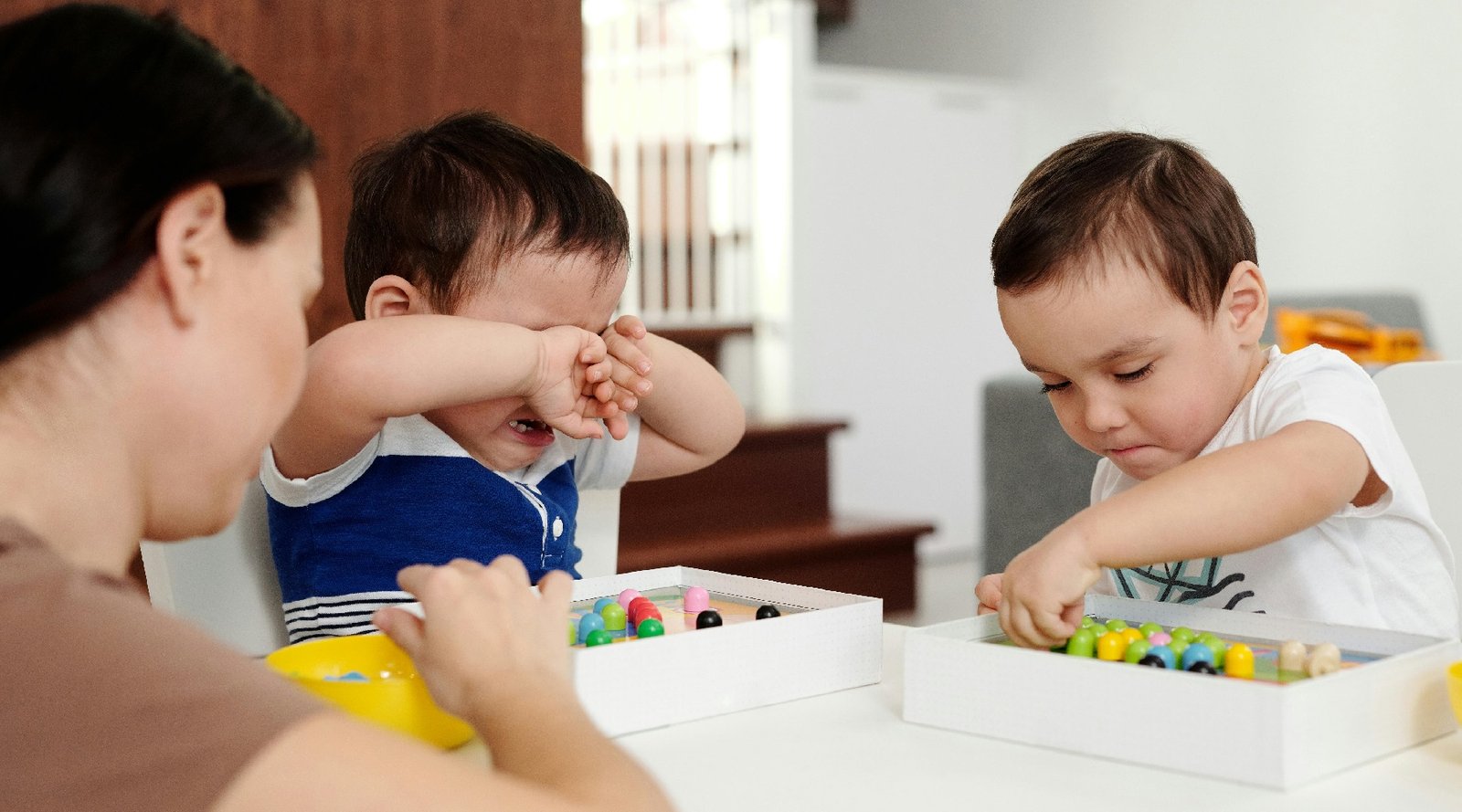
children's games are an essential part of growing up, fostering social skills, creativity, and physical development. Across the globe, various cultures have their own unique and captivating games that have been passed down through generations. Let's take a closer look at some fascinating examples of children's games from different cultures around the world. 1. **India** **game:** Kabaddi Kabaddi is a popular team sport in India that requires quick reflexes, agility, and physical strength. It involves two teams taking turns to send a "raider" into the opposing team's territory, tagging as many opponents as possible, and returning safely to their own side before taking a breath. 2. **China** **Game:** Jianzi (Shuttlecock) Jianzi is a traditional Chinese game played with a shuttlecock made of feathers attached to a rubber sole. Players kick the shuttlecock back and forth using any part of their bodies except for their hands. It requires coordination, balance, and focus. 3. **Mexico** **Game:** Lotería Lotería is a Mexican game similar to bingo but with colorful cards depicting various images instead of numbers. A designated caller draws a card from a deck and announces the image while players mark it on their boards. The first to complete a row wins the game. 4. **Kenya** **Game:** Rungera Rungera is a traditional Kenyan game played with stones on a grid drawn in the dirt. Players take turns strategically moving the stones to form a line while blocking their opponent from doing the same. It involves critical thinking and planning ahead. 5. **Sweden** **Game:** Kubb Kubb, also known as Viking Chess, is a popular outdoor game in Sweden that involves knocking over wooden blocks (kubbs) with wooden batons. The objective is to knock down all the opponent's kubbs before aiming for the king in the center. It combines skill, strategy, and teamwork. These examples demonstrate the diverse and innovative ways in which children around the world engage in play. While the specific games may vary, the universal joy and camaraderie derived from playing are shared by children regardless of their cultural backgrounds. By embracing and celebrating these cultural differences, we can gain a deeper appreciation for the richness of global childhood experiences. For a deeper dive, visit: https://www.culturelle.org Seeking answers? You might find them in https://www.corriente.org
Leave a Comment:
SEARCH
Recent News
- Zurich, Switzerland and Tunisia are two countries that are geographically distant but connected through various global issues and news events. Let's take a look at some of the recent news coming out of these two diverse locations.
- Zurich, Switzerland is a vibrant city known for its picturesque landscapes, rich history, and diverse cultural scene. One fascinating aspect of Zurich's cultural tapestry is the influence of Sudanese culture in the city.
- Zurich is a vibrant city located in Switzerland and is well-known for its picturesque landscapes, rich history, and bustling business scene. The Spanish community in Zurich has been thriving, with many top companies from Spain making their mark in the city. These companies have not only contributed to the economy of Zurich but have also added diversity and innovation to the local business environment.
- Zurich, Switzerland, is renowned for its picturesque landscapes, vibrant culture, and thriving economy. However, thousands of kilometers away in Russia, agriculture plays a crucial role in the country's economy and food production.
- Zurich, Switzerland is a vibrant city known for its stunning architecture, picturesque landscapes, and rich culture. One aspect of Zurich's cultural scene that often goes under the radar is its regional music. The city and its surrounding areas are home to a diverse range of musical styles, reflecting the multiculturalism and artistic diversity of the region.
- Top 5 Zurich Regional Movies You Must Watch
- Zurich, Switzerland: A Culinary Journey through Regional Cuisine
- Zurich, Switzerland is known for its rich culture and traditions, including traditional regional clothing that reflects the area's history and heritage. Swiss traditional clothing varies by region, with each area having its own unique style and designs. In Zurich, traditional Swiss clothing showcases a blend of functionality, craftsmanship, and aesthetics.
READ MORE
10 months ago Category :

Zurich, Switzerland and Tunisia are two countries that are geographically distant but connected through various global issues and news events. Let's take a look at some of the recent news coming out of these two diverse locations.
Read More →10 months ago Category :

Zurich, Switzerland is a vibrant city known for its picturesque landscapes, rich history, and diverse cultural scene. One fascinating aspect of Zurich's cultural tapestry is the influence of Sudanese culture in the city.
Read More →10 months ago Category :

Zurich is a vibrant city located in Switzerland and is well-known for its picturesque landscapes, rich history, and bustling business scene. The Spanish community in Zurich has been thriving, with many top companies from Spain making their mark in the city. These companies have not only contributed to the economy of Zurich but have also added diversity and innovation to the local business environment.
Read More →10 months ago Category :
