Exploring Traditional Japanese Children's Games for Daily Fun
Category : | Sub Category : Posted on 2024-11-05 22:25:23
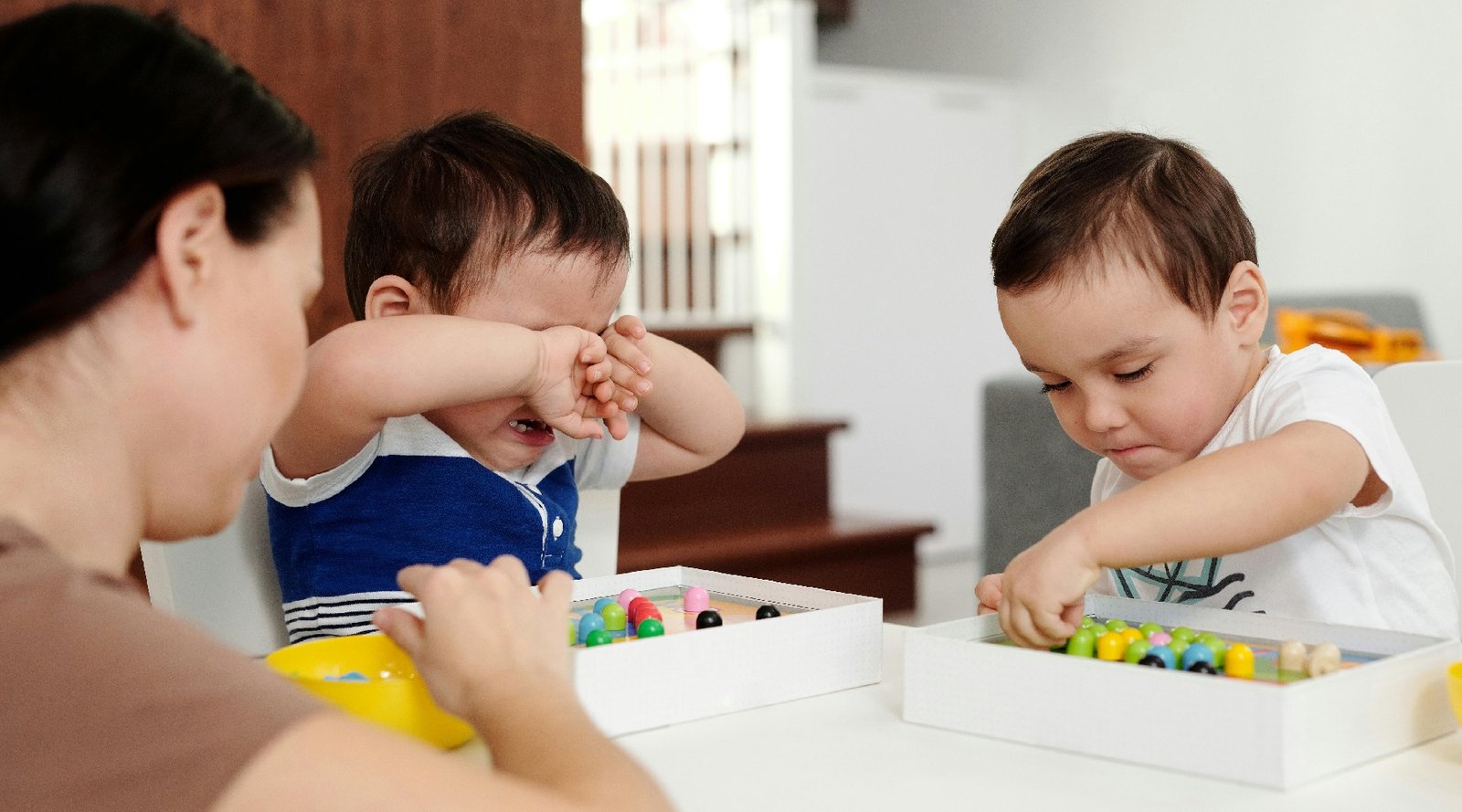
Japan is a country known for its rich cultural heritage and traditions that have been passed down through generations. One fascinating aspect of Japanese culture is the variety of traditional children's games that have entertained youths for centuries. These games are not only a source of fun but also serve as a way to promote social interactions, cognitive development, and physical activity among children. Let's delve into some of the beloved traditional Japanese children's games that are enjoyed on a daily basis: 1. **Daruma-san ga Koronda**: This classic chasing game is a favorite among Japanese children. One child is selected as "Daruma-san" (the leader) who stands at one end of the play area with their back turned to the other children. The other children chant, "Daruma-san ga koronda" (The Daruma doll fell down), and then try to approach the leader quietly. The moment Daruma-san turns around, the other children must freeze. If anyone is caught moving, they are out and the game continues until only one player remains. 2. **Menko**: Menko is a traditional Japanese card-flipping game that has been enjoyed by children for generations. Each player starts with a stack of menko cards, which are typically decorated with colorful designs. Players take turns flipping their cards to try and flip over their opponent's cards. The player who flips the most cards wins the game. 3. **Kendama**: Kendama is a challenging wooden toy that consists of a ball connected to a handle by a string. The goal of the game is to catch the ball on one of the three cups or the spike at the end of the handle. Players can showcase their dexterity and hand-eye coordination skills by mastering various tricks and maneuvers with the kendama. 4. **Otedama**: Otedama is a traditional Japanese bean bag game that involves juggling small bean bags made of fabric. The game can be played solo or with a group of friends, with players attempting to juggle, catch, and toss the bean bags in a rhythmic and skillful manner. Otedama not only provides entertainment but also helps in improving hand-eye coordination and concentration. 5. **Jan-Ken**: Jan-Ken, also known as Rock-Paper-Scissors, is a universal game enjoyed by children all around the world, including Japan. The game involves two players simultaneously forming one of three shapes with their hands: rock (a fist), paper (an open hand), or scissors (a fist with the index and middle fingers extended). The winner is determined based on the rules: rock beats scissors, scissors beats paper, and paper beats rock. In conclusion, traditional Japanese children's games offer a delightful and wholesome way for kids to engage in play while incorporating elements of skill, strategy, and camaraderie. These games not only entertain but also help in fostering important life skills such as teamwork, sportsmanship, and creativity. So, the next time you're in Japan, take a moment to join in the fun and experience the joy of these timeless childhood pastimes.
Leave a Comment:
SEARCH
Recent News
- Zurich, Switzerland and Tunisia are two countries that are geographically distant but connected through various global issues and news events. Let's take a look at some of the recent news coming out of these two diverse locations.
- Zurich, Switzerland is a vibrant city known for its picturesque landscapes, rich history, and diverse cultural scene. One fascinating aspect of Zurich's cultural tapestry is the influence of Sudanese culture in the city.
- Zurich is a vibrant city located in Switzerland and is well-known for its picturesque landscapes, rich history, and bustling business scene. The Spanish community in Zurich has been thriving, with many top companies from Spain making their mark in the city. These companies have not only contributed to the economy of Zurich but have also added diversity and innovation to the local business environment.
- Zurich, Switzerland, is renowned for its picturesque landscapes, vibrant culture, and thriving economy. However, thousands of kilometers away in Russia, agriculture plays a crucial role in the country's economy and food production.
- Zurich, Switzerland is a vibrant city known for its stunning architecture, picturesque landscapes, and rich culture. One aspect of Zurich's cultural scene that often goes under the radar is its regional music. The city and its surrounding areas are home to a diverse range of musical styles, reflecting the multiculturalism and artistic diversity of the region.
- Top 5 Zurich Regional Movies You Must Watch
- Zurich, Switzerland: A Culinary Journey through Regional Cuisine
- Zurich, Switzerland is known for its rich culture and traditions, including traditional regional clothing that reflects the area's history and heritage. Swiss traditional clothing varies by region, with each area having its own unique style and designs. In Zurich, traditional Swiss clothing showcases a blend of functionality, craftsmanship, and aesthetics.
READ MORE
11 months ago Category :

Zurich, Switzerland and Tunisia are two countries that are geographically distant but connected through various global issues and news events. Let's take a look at some of the recent news coming out of these two diverse locations.
Read More →11 months ago Category :

Zurich, Switzerland is a vibrant city known for its picturesque landscapes, rich history, and diverse cultural scene. One fascinating aspect of Zurich's cultural tapestry is the influence of Sudanese culture in the city.
Read More →11 months ago Category :

Zurich is a vibrant city located in Switzerland and is well-known for its picturesque landscapes, rich history, and bustling business scene. The Spanish community in Zurich has been thriving, with many top companies from Spain making their mark in the city. These companies have not only contributed to the economy of Zurich but have also added diversity and innovation to the local business environment.
Read More →11 months ago Category :
